

Mifeprex
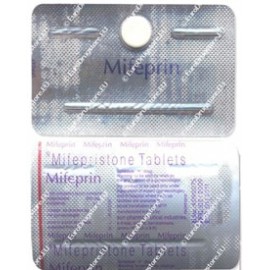
Mifeprex (mifepristone) is an FDA-approved medication, since 2000, used to safely and effectively terminate early pregnancy when combined with misoprostol. It blocks the hormone progesterone, essential for pregnancy, and allows the uterus to contract and expel the pregnancy tissue. Approved for use within 10 weeks of gestation, Mifeprex and its generic version, Mifepristone Tablets (200 mg), have been used by over 5 million patients in the U.S.
Important: “For your safety, seek medical advice before use and carefully follow all recommended instructions to reduce risks and achieve the best outcomes.”

| Product | Dosage | Pack Size | Price | Quantity | Order |
| Mifeprex | 200mg | 4 Pills | $399.00 |
Qty:
|
|
| Mifeprex | 200mg | 1 Pills | $199.00 |
Qty:
|
|
| Mifeprex | 200mg | 2 Pills | $299.00 |
Qty:
|
Customer Ask Questions?
There are no questions for this product.
Product Description
Mifeprex works best when combined with Misoprostol (also known as Cytotec, Korlym, etc.), which is used in various medical procedures such as labor induction, abortion, treating stomach ulcers, and controlling postpartum bleeding due to poor uterine contraction. When Mifeprex and Misoprostol are used together, they have been shown to be 95% effective in terminating early pregnancies.
How Does Mifeprex Work?
Mifeprex, in combination with Misoprostol, terminates pregnancies up to 63 days. The recommended regimen for medical abortion involves taking:
- Three tablets of Mifeprex (200mg each) orally, which blocks the hormone progesterone, causing the embryo to detach from the uterine wall.
- 48 hours later, two tablets of Misoprostol (200mcg) are taken orally or vaginally. Misoprostol induces uterine contractions, expelling the detached embryo from the body.
The effects of Misoprostol are usually seen within 4-6 hours of administration. Note: Dosage may vary based on individual medical conditions, so always consult your healthcare provider for the appropriate dosage.
Advantages of Using Mifeprex
Mifeprex offers a non-invasive and effective method for early pregnancy termination without surgery or anesthesia. It can be used up to 50 days after conception, allowing women to manage the process in the comfort of their homes. Approved by the FDA, it provides a safe and reliable option at a more affordable cost compared to surgical procedures.
Side Effects of Mifeprex
While Mifeprex is generally well-tolerated, some users may experience mild to moderate side effects, including:
- Headaches
- Abdominal and back pain
- Chills or shaking
- Dizziness
- Vaginal bleeding and discharge of clots and tissue
- Fatigue
- Nausea
- Diarrhea
If these side effects persist or worsen, seek medical attention immediately.
Precautions Before Using Mifeprex
Before using Mifeprex, it is essential to consider certain health conditions and avoid it if any of the following apply:
- Allergic reactions to mifepristone or misoprostol
- Hypertension, diabetes, or severe anemia
- Blood disorders like porphyria
- Heart, liver, kidney, lung, or respiratory issues
- Ectopic pregnancy (outside the uterus)
- Chronic adrenal gland failure
- Undiagnosed growth in the abdomen
- Concurrent use of other medications
Breastfeeding should be discontinued if using Mifeprex, as it may pass into breast milk. Women using an intrauterine device (IUD) should remove it before using this medication. Mifeprex has not been thoroughly studied in women over 35 or heavy smokers, so consult a doctor if these factors apply.
Warnings
Individuals with suspected ectopic pregnancy, liver or kidney damage, chronic adrenal insufficiency, or over-bleeding should not take Mifeprex without a doctor's approval. If you experience serious side effects, such as breathing difficulties or rapid heartbeats, contact your healthcare provider immediately.
Reviews Over Mifeprex
Fast and Reliable Shipping with NoPregnancy.com

At NoPregnancy.com, we prioritize speed and convenience for our customers. Once you place an order, you'll receive an immediate confirmation email, followed by real-time tracking information once your order is shipped.
Choose your preferred shipping method at checkout to suit your needs.
We break down delivery into Two main Steps:

Processing Time: This is the time it takes to prepare your items for shipment, including quality checks and packaging.
Shipping Time: The transit time from our warehouse to your destination. For faster delivery, we offer shipping from local warehouses when available. Some additional charges may apply, but we ensure swift, secure, and discreet delivery.
Shipping times vary based on your location and where your package is dispatched from.
Need help? Contact us or Live Chat with our customer service team is ready to assist with any queries. Shop with confidence, and enjoy hassle-free delivery at NoPregnancy.com!
20 % Discount Code - 2020

